- Locations: Yonge & Sheppard | Yonge & Finch
- [email protected]

Deep Tissue Massage: Is More Pressure Actually Better?
April 23, 2026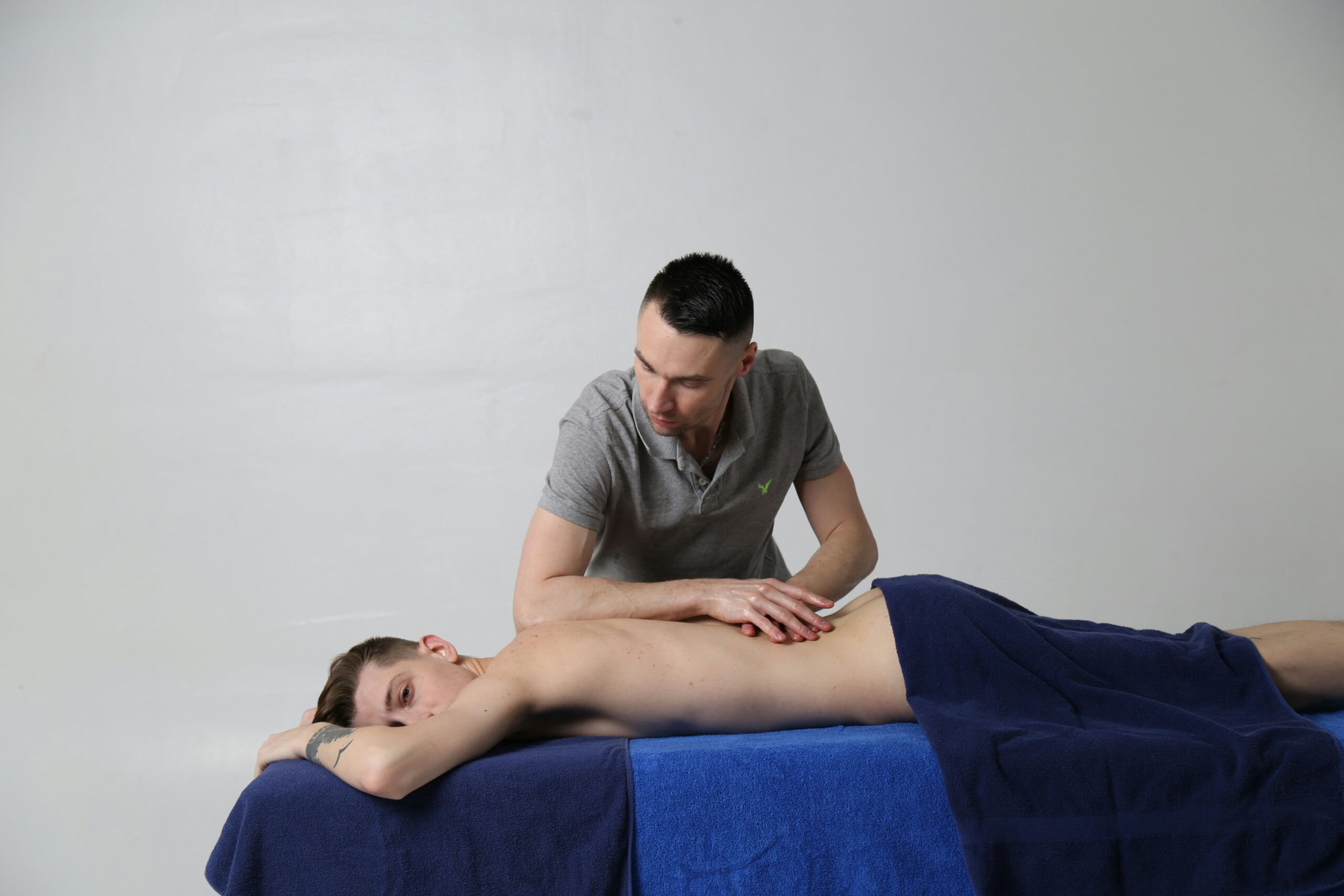
Massage Therapy for Pain Relief
If your neck feels locked up after sitting at a desk all day, your low back tightens every time you bend, or your shoulders always feel overworked, massage therapy may help. At Motion Care Clinic, massage therapy treatment is not just about relaxation. It is a hands-on approach used to work with muscles and other soft tissues to help reduce tension, improve short-term comfort, and support better movement.
In reality, massage therapy can play a practical role in a rehab plan, especially when pain, stiffness, overuse, or postural strain are part of the picture. It is not a magic fix, and it is not meant to replace a full assessment when one is needed. But it can be a very useful tool when applied for the right reason.
What is massage therapy?
Massage therapy is a clinical, hands-on treatment that works with muscles, fascia, and other soft tissues. The goal is not simply to help you relax for an hour but to help reduce physical tension, calm down irritated areas, and make it easier for you to move and function with less discomfort.
That is one of the biggest differences between rehab-focused care and spa-style massage. At our clinic, treatment is guided by your symptoms, goals, health history, and response to care. In other words, it should feel less like a generic routine and more like treatment with a purpose.
What types of pain can massage therapy help with?
Massage therapy for pain relief may help when soft tissue tension, overuse, or stiffness are contributing to the problem. Common examples include:
- Neck and shoulder tension: often linked to desk work, stress, poor posture, or long hours on a computer
- Lower back discomfort: especially when tight muscles, reduced mobility, or repetitive strain are involved
- Tension headaches: when tightness through the neck, upper traps, and jaw area is part of the pattern
- Sports and gym-related soreness: when training load, repetitive movement, or recovery issues leave muscles feeling restricted
- General stiffness and muscle tightness: when day-to-day movement feels harder than it should
The goal with massage therapy is not to promise that one session will solve everything. The goal is to reduce muscle tension, improve comfort, and help you move a little more freely so you can get back to normal activity with less resistance from your own body.
Which type of massage is best for pain relief?
This depends on the problem. There is no single “best” type of massage for chronic pain or everyday aches because different issues respond to different approaches.
- General massage therapy: often a good fit for overall muscle tension, stress-related tightness, and day-to-day discomfort
- Deep tissue massage for pain: may help when there are more stubborn areas of tightness or overworked muscles, but deeper pressure is not automatically better
- Targeted treatment for back and neck pain: useful when certain regions are driving most of the symptoms and need a more focused approach
- Recovery-focused massage: often helpful for active patients dealing with training soreness, stiffness, or movement restriction
The best type of massage is the one that matches your symptoms, tolerance, and goals. Good treatment is not about using maximum pressure. It is about using the right pressure in the right area for the right reason.
How does massage therapy fit into a rehab plan?
Tight muscles are not always the whole story. Recurring pain may also be influenced by posture, repetitive strain, weakness, mobility restrictions, work setup, training load, or stress. That is why massage therapy often works best as part of a broader rehab plan instead of pretending to be the whole plan by itself.
For example, someone with persistent neck and shoulder tension may benefit from massage therapy alongside posture coaching, mobility work, and chiropractic or physiotherapy care. Someone with lower back pain may do better when hands-on treatment is paired with exercise and movement strategies that help the issue stop coming back. Massage can help calm symptoms down enough for patients to move better and get more out of the rest of their care.
If you want a treatment style that fits your goals, you can also meet our rehab team of Chiropractors and Physiotherapists to match for your needs.
When should massage therapy be modified or avoided?
Massage therapy is generally well tolerated, but it is not one-size-fits-all. Treatment may need to be adjusted or postponed in cases such as recent injury, fever or active illness, open wounds, skin infections, unexplained swelling, recent surgery, or certain circulatory and medical concerns.
This is why a proper assessment matters. The safest treatment is the one that matches what your body can tolerate that day, not the one that tries to force progress by doing too much too soon.
How often should you get massage therapy for pain relief?
That depends on your symptoms, your goals, and how your body responds. Some people benefit from a short run of closer-together visits when pain is more active. Others do well with more spaced-out care as part of ongoing maintenance or recovery.
Ongoing treatment can matter, especially when your pain is tied to daily habits, desk work, long commutes, training, or repetitive strain that keeps feeding the same problem. At Motion Care Clinic, patients also have the convenience of two North York locations, plus direct billing and coverage with most insurance providers, which makes it easier to stay consistent with care when consistency is what gets results.
Final thoughts
Massage therapy can be a helpful option for pain relief, especially when muscle tension, stiffness, and overuse are part of the issue. The real value is not in trendy wellness claims. It is in thoughtful, individualized treatment that supports recovery and helps you move better.
If you are dealing with ongoing tension, massage therapy for back pain, lower back pain, neck pain, or movement-related discomfort, booking early is often smarter than waiting until everything is angry.
Book your massage therapy at Motion Care Clinic in North York & Toronto. Find the right treatment for you.
Opening Hours
Yonge & Sheppard
Yonge & Finch
- Weekdays 9 am – 9 pm
- Weekends 9 am – 8 pm
-
Clinic Open 7 days