- Locations: Yonge & Sheppard | Yonge & Finch
- [email protected]

Massage Therapy for Pain Relief: What It Helps and When to Book
April 7, 2026
Physiotherapy vs Chiropractic: How to Choose the Right Practitioner
August 6, 2026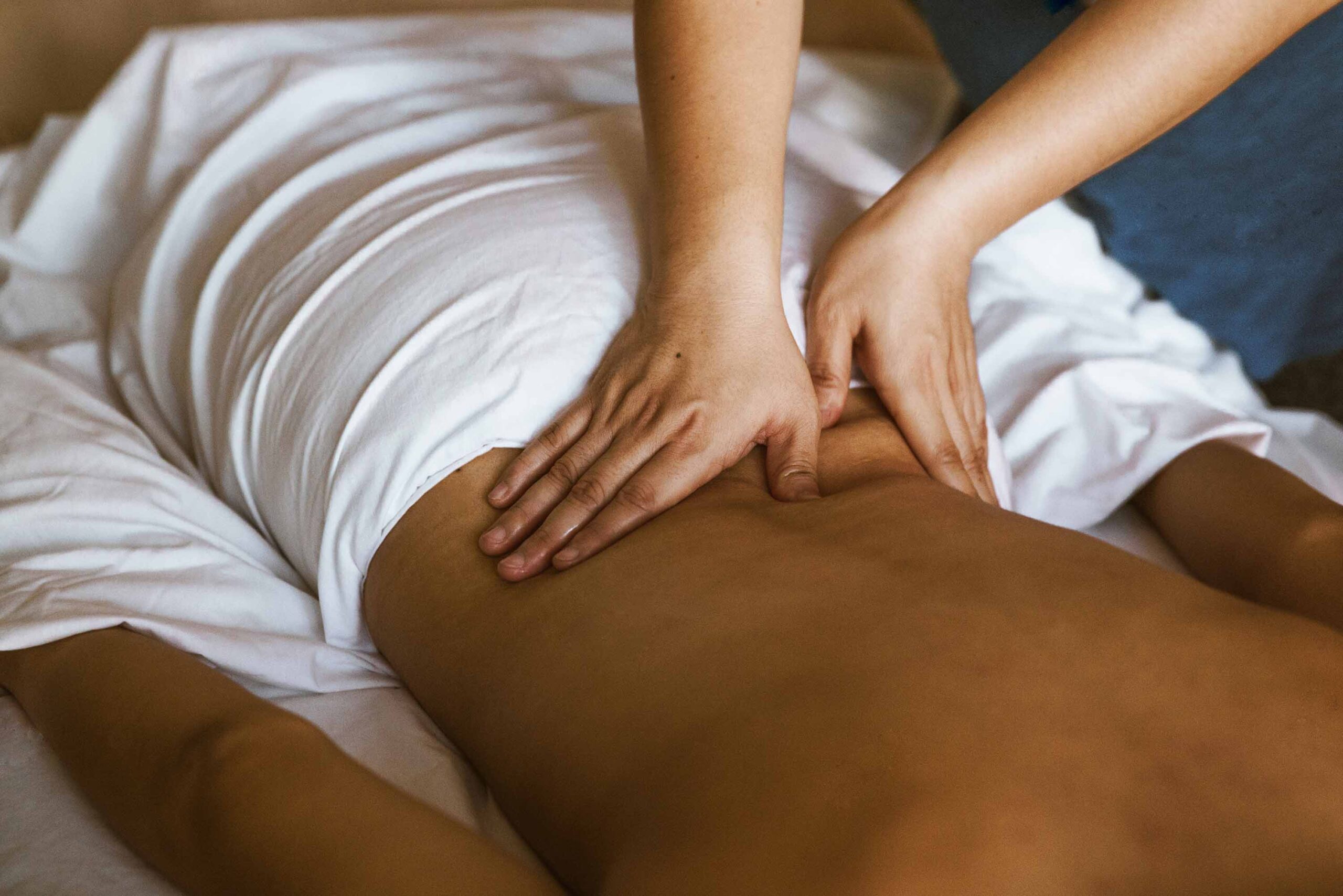
Deep Tissue Massage
Deeper is not always better – Let’s retire one of the biggest massage myths out there in the world of Massage Therapy. A lot of people assume that if a massage is intense enough to make them grip the table, it must be working. That is not how good treatment works. In a rehab clinic, the goal is not to overpower the body. The goal is to use the right pressure, in the right area, for the right reason.
What is deep tissue massage?
Deep tissue massage is a more focused style of massage therapy used for areas of stubborn tension, tightness, or overworked muscles. It usually involves slower, more targeted pressure than a general relaxation-style massage. That does not mean it should feel brutal. It should feel purposeful.
What can deep tissue massage help with?
Deep tissue massage may help when muscle tension is part of the problem, including:
- neck and shoulder tension
- low back tightness
- postural strain
- gym or sports-related soreness
- chronic muscle stiffness
For some people, deep tissue massage for back pain can be helpful. For others, the problem is not mainly muscular, which is why treatment should be based on assessment, not guesswork.
Does deep tissue massage hurt?
It can feel more intense than a general massage, but painful does not automatically mean effective. Some tenderness during treatment can be normal, especially in tight areas. What is not helpful is pressure that feels sharp, overwhelming, or impossible to relax into. Too much pressure can increase guarding and leave you feeling worse instead of better. The goal is not to see how much you can tolerate. The goal is to get a useful response from the body.
Is soreness after treatment normal?
Mild soreness after deep tissue massage can happen, especially if the treated area was very tight or sensitive. That is usually temporary. What should raise a flag is lingering pain, a major flare-up, or feeling worse for days afterward. That often means the treatment was too aggressive for what your body could tolerate at the time.
Deep tissue vs Swedish massage
Swedish massage is generally lighter and more relaxation-focused. Deep tissue massage is more targeted and is often used on specific problem areas. One is not automatically better than the other. The better choice depends on the goal of the session. If you want focused work on stubborn muscle tightness, deep tissue may make sense. If you want gentler treatment or broader relaxation, a lighter approach may be the better fit.
When more pressure backfires
More pressure can backfire when someone is already inflamed, flared up, highly stressed, or sensitive to touch. In those cases, pushing harder can irritate tissues and make the body brace against the treatment. Good massage therapy for pain relief is not about force. It is about using enough pressure to help without pushing the body into a defensive response.
How it fits into rehab
In a rehab clinic, deep tissue massage works best as part of a bigger plan. If tightness keeps coming back, the real issue may also involve posture, training load, mobility limits, weakness, or repetitive strain. Massage can help calm symptoms down, but longer-term improvement often comes from pairing hands-on treatment with exercise, movement strategies, physiotherapy, or chiropractic care where appropriate.
Final thoughts
Deep tissue massage can be useful, but more pressure does not always mean better results. The best treatment is the one that matches your body, your symptoms, and what you can actually tolerate. At Motion Care Clinic, massage therapy is meant to be targeted, practical, and rehab-focused, not a contest to see how much pressure you can survive.
Book your appointment at Motion Care Clinic today. We have 2 office locations serving the North York and Toronto area.
Opening Hours
Yonge & Sheppard
Yonge & Finch
- Weekdays 9 am – 9 pm
- Weekends 9 am – 8 pm
-
Clinic Open 7 days